14th July 2022

NASA has released the first images from the James Webb Space Telescope, creating a stir across the planet. We make use of Earth satellites at Darwin, so our involvement with space is closer to home, but we’re still excited about this new glimpse into our universe. Here’s a quick look at the new space telescope.
14th June 2022

Satellites often stay operational for years, in an environment where it would be enormously difficult and expensive to pop by and change the batteries. That raises an obvious question: where do satellites get their energy from?
26th April 2022
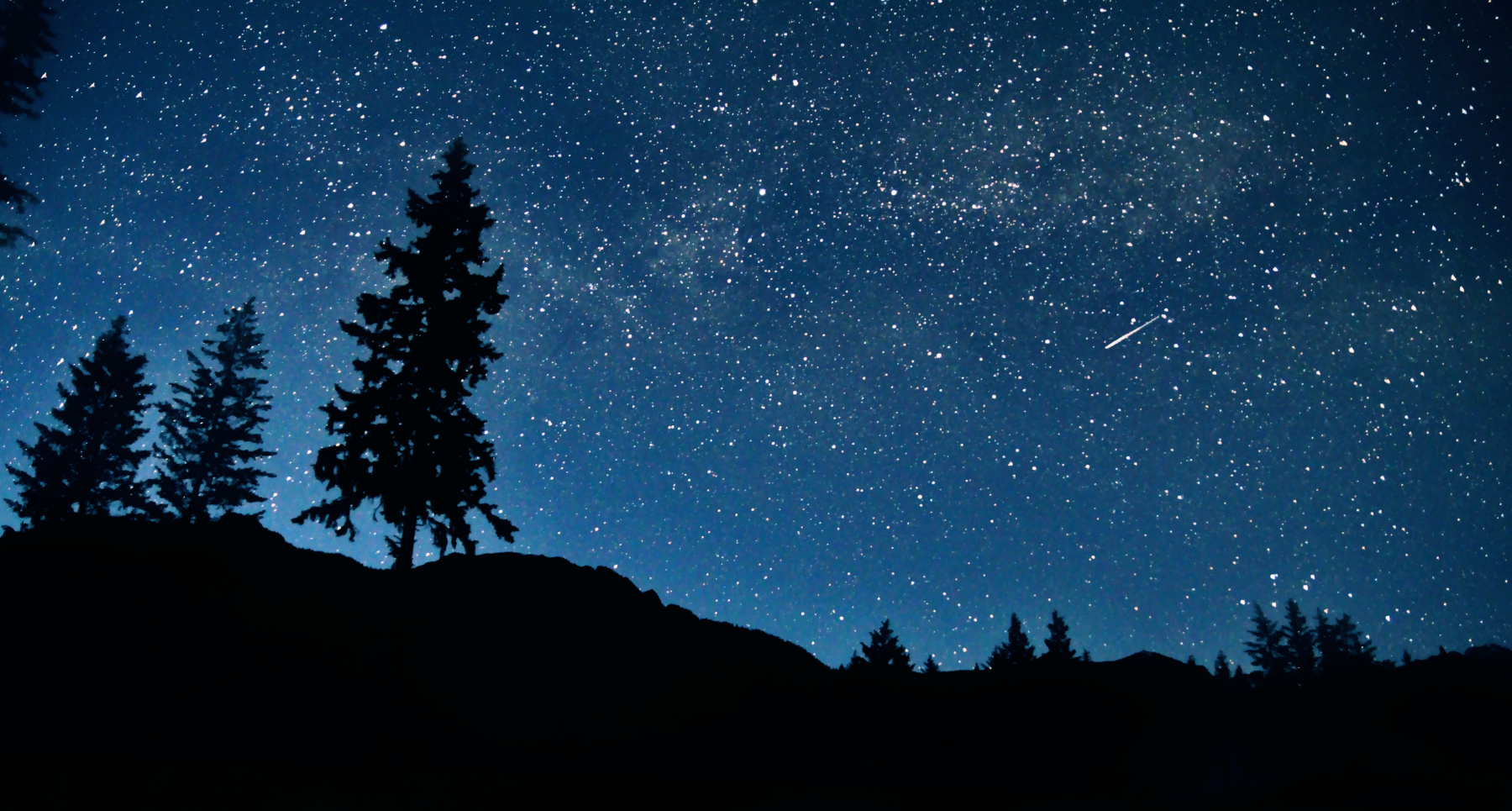
There are thousands of artificial satellites orbiting Earth, carrying out tasks from navigation to enabling communications to wildfire monitoring. What happens when a satellite reaches the end of its life, though?
There are two main ways old satellites are disposed of: they’re brought back to Earth, or they’re sent further away. We’re going to take a look at those disposal methods here.
1st February 2022

In November 2021, Darwin and ESA collaborated on a connectivity test at Harwell Science and Innovation Campus. We spoke to Darwin’s Rodrigo Barreto and ESA’s Antonio Franchi to get some insight into this test.
4th January 2022

Since the 1957 launch of the first artificial satellite, Sputnik 1, satellites have revolutionised the world. Even people who don’t work with satellites still use them on a daily basis for tasks like navigation and watching television.
There’s one particularly interesting satellite function we didn’t go into in our article on the applications of satellites, and that’s the way satellites are used to save lives. We’re going to take a look at that in this post.


