14th July 2022

NASA has released the first images from the James Webb Space Telescope, creating a stir across the planet. We make use of Earth satellites at Darwin, so our involvement with space is closer to home, but we’re still excited about this new glimpse into our universe. Here’s a quick look at the new space telescope.
14th June 2022

Satellites often stay operational for years, in an environment where it would be enormously difficult and expensive to pop by and change the batteries. That raises an obvious question: where do satellites get their energy from?
10th May 2022

If you want to minimise your carbon footprint, an electric car will usually be a better choice than one that uses fossil fuels. You can further reduce your impact on the environment – and the cost of running your vehicle – by taking care of your car battery. In this post, we’re talking about how to prolong EV battery life.
26th April 2022

There are thousands of artificial satellites orbiting Earth, carrying out tasks from navigation to enabling communications to wildfire monitoring. What happens when a satellite reaches the end of its life, though?
There are two main ways old satellites are disposed of: they’re brought back to Earth, or they’re sent further away. We’re going to take a look at those disposal methods here.
12th April 2022
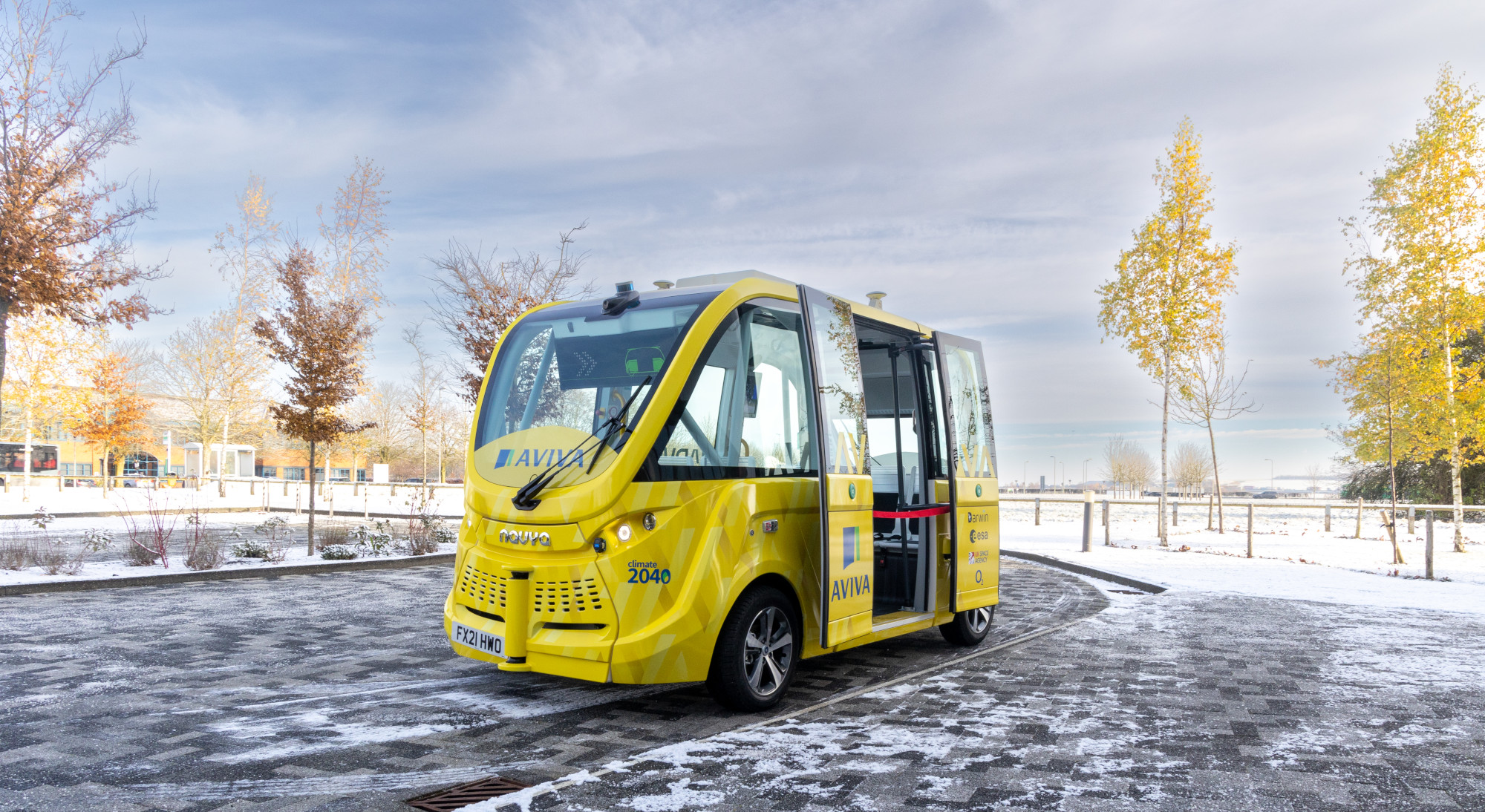
It can seem strange to talk about ‘operating’ an autonomous vehicle; after all, autonomous vehicles operate themselves. At the moment, though, UK law requires a safety driver or operator to be present for any autonomous vehicle trial. The operator can be inside the vehicle or monitoring it from elsewhere, but they must be ready to take control of the vehicle at any point if necessary.
Paul Proteasa and Peter Antal have been serving as safety operators aboard the Darwin Autonomous Shuttle, an autonomous public transport service supported by ESA, for several months now. We spoke to them about what it’s like to operate the shuttle, and how it differs from their past experience with driving buses.


